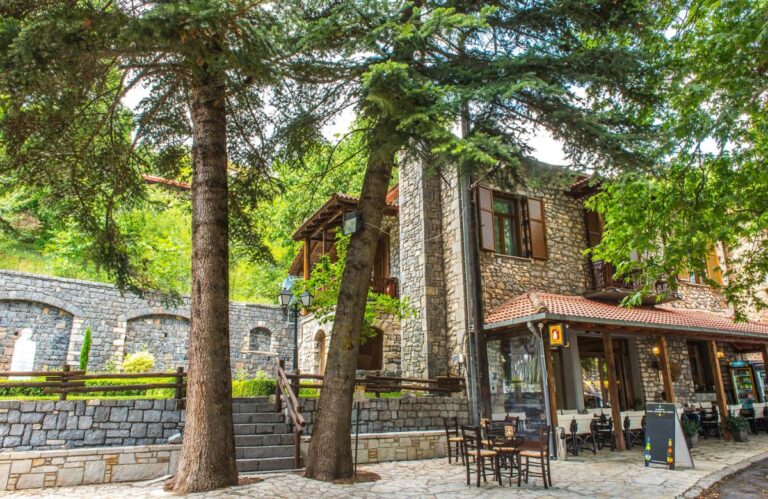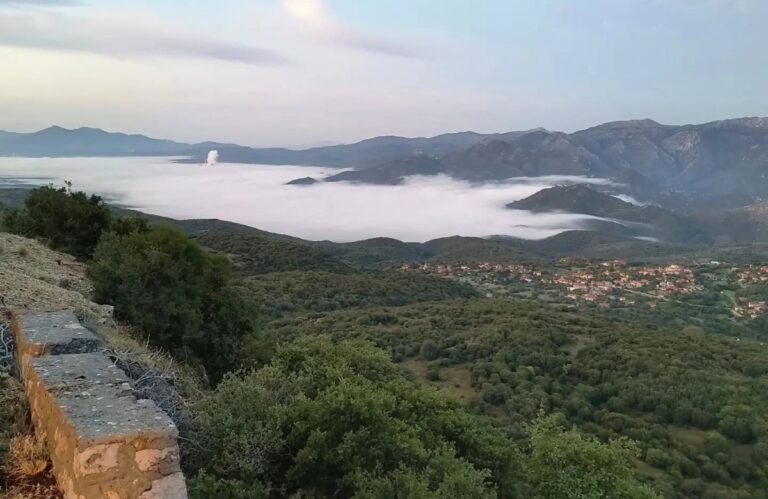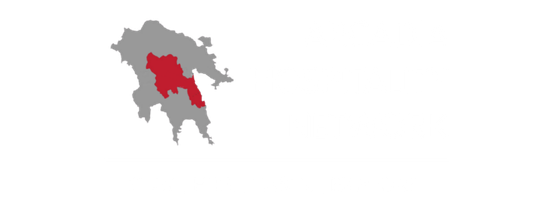
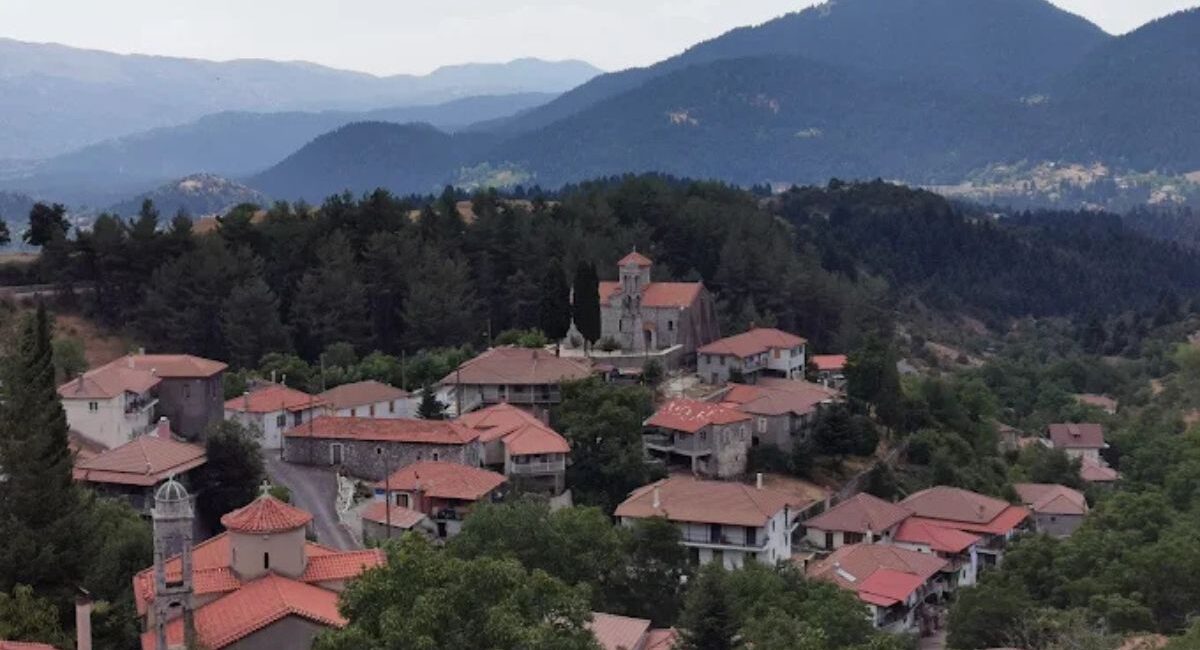
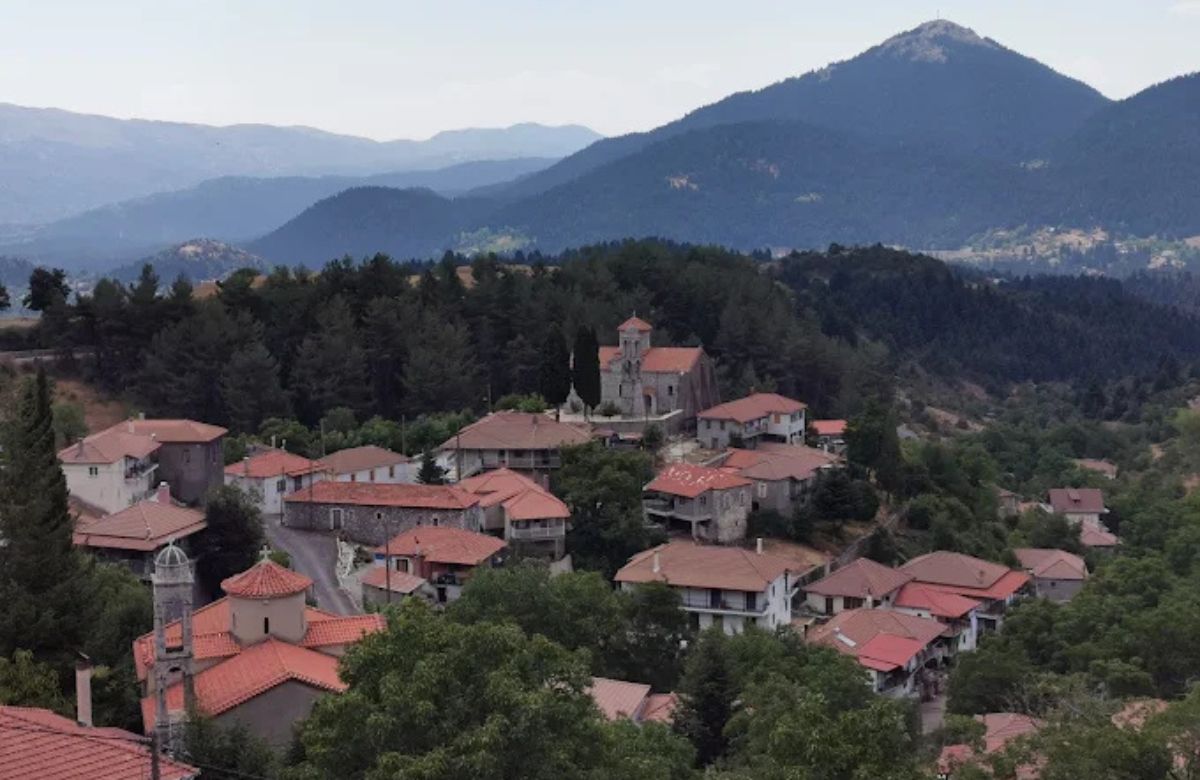
At 1,365 metres on Mount Menalon, Magouliana is the highest permanently inhabited village in the Peloponnese — a scatter of stone houses set into the fir forest, with natural springs and views that stretch across the surrounding mountains. It was founded sometime between 1530 and 1600, when five smaller settlements merged for safety from raiding Ottoman irregulars, and later served as the seat of the Municipality of Mylaon until 1912.
Discover our members in Magouliana.
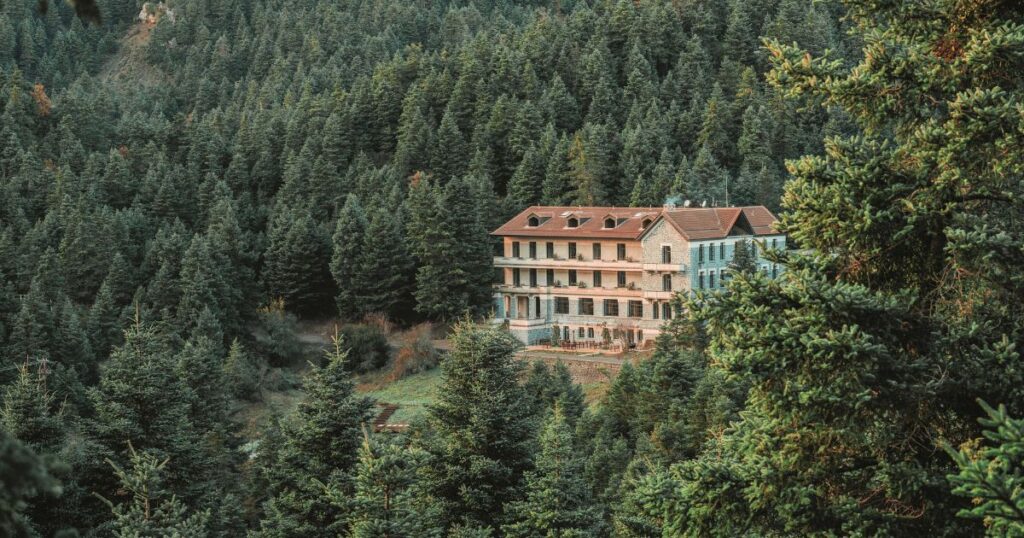
MANNA
Luxury Boutique Hotel · Member of Design Hotels
Magouliana, Gortynia — Arcadia
MANNA is a newly opened luxury mountain retreat in Magouliana, built within a restored mountain sanatorium deep in the fir forest of the Menalon…
Visit MemberThe roof of the Peloponnese
At its peak, in the late nineteenth and early twentieth century, Magouliana held several hundred residents — herders, stonemasons, schoolteachers. Many of the stone houses built in that era are still standing, climbing the slope in tiers, with the village square and its plane trees at the centre. The village played its part in the 1821 Revolution, and today it remains a base for walkers on the Menalon Trail, which passes through on its way between Nymfasia and Valtesiniko.
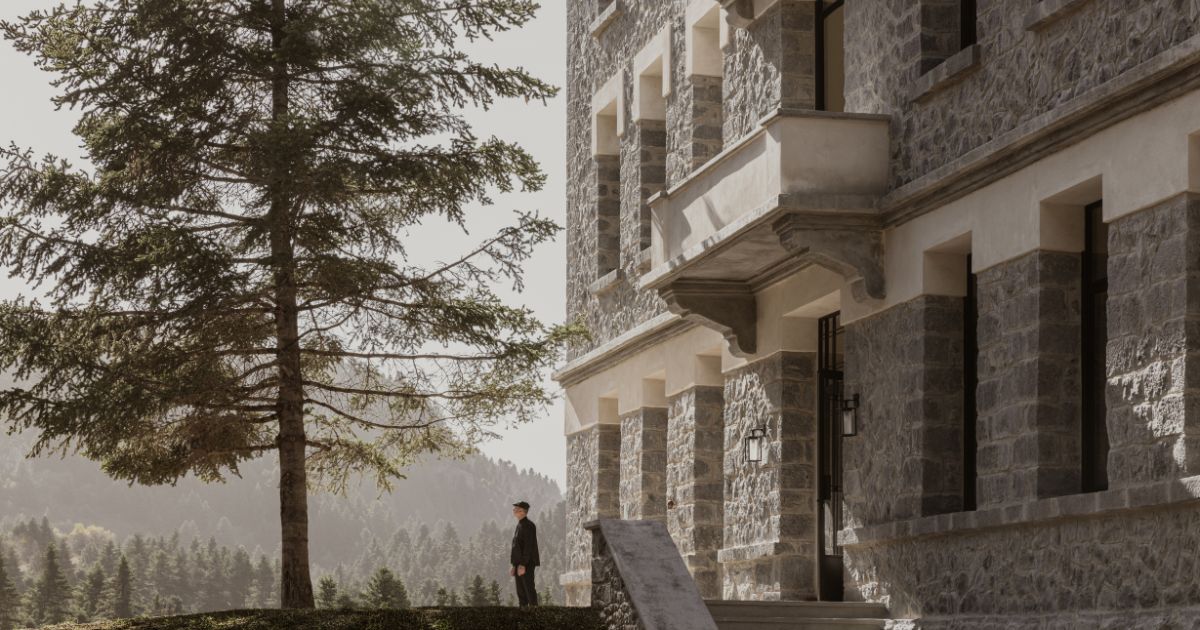
A mountain sanatorium, reborn
Deep in the fir forest above the village stands a large stone building that spent decades abandoned — a mountain sanatorium from another era. It was here, camping as a boy, that a young Stratis Batagias first found the ruin, long before he returned to transform that childhood memory into MANNA, now a restored luxury retreat built around geothermal heating, a cave-inspired pool, and a kitchen supplied by small local producers.
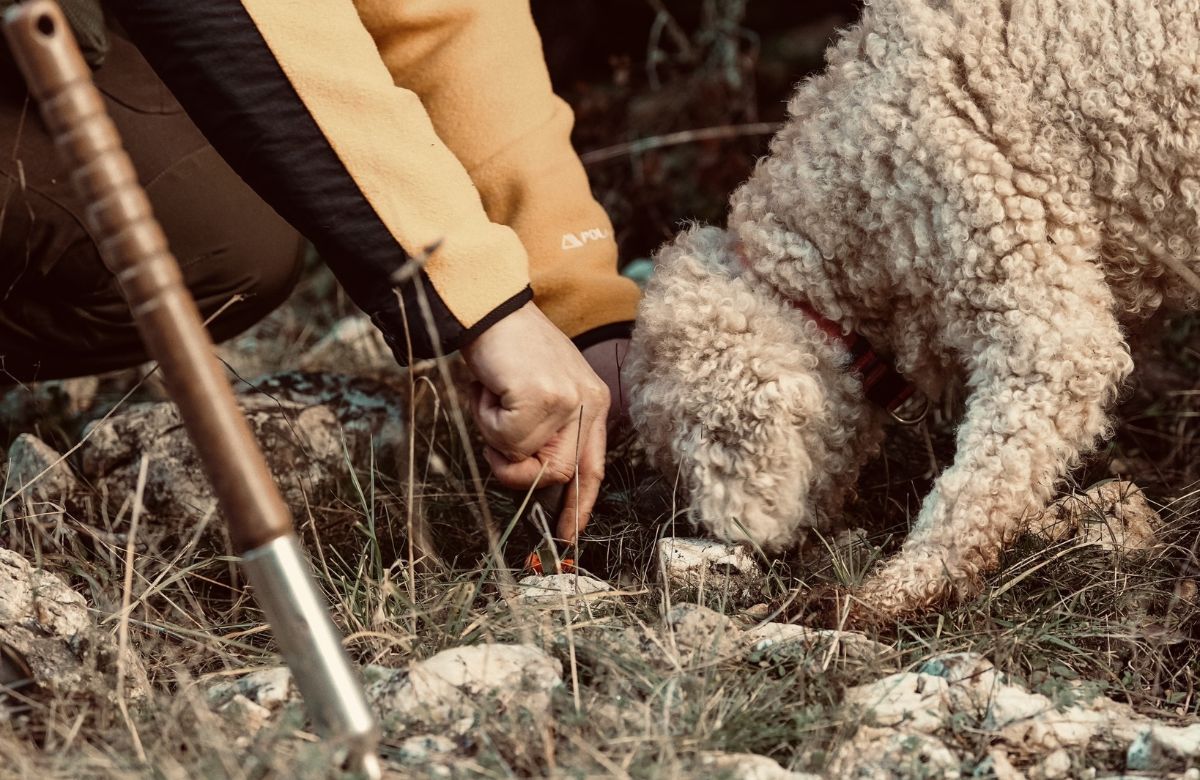
Truffles and wild mushrooms in the fir forest
The same forest floor that shelters black truffles through the winter is just as generous with wild mushrooms come autumn — chanterelles, porcini, black trumpets. Truffle hunts here run from October to April, following trained dogs along circular routes through the fir trees; the rest of the year, foraging is simply a habit of the mountain, the way it’s always been.